Nickel Piping Systems / 10 min read
Nickel Piping Systems – Engineering Guide for High-Performance Alloys
Nickel piping selection is a materials-integrity decision, not a commodity pipe purchase. Procurement risk concentrates in joints, heat-affected zones, crevices, and incomplete test records. Use this guide to specify nic

Quick Answer
Nickel piping selection is a materials-integrity decision, not a commodity pipe purchase. Procurement risk concentrates in joints, heat-affected zones, crevices, and incomplete test records. Use this guide to specify nickel alloy pipes and nickel pipe fittings for corrosive and high-temperature service, compare supplier offers, and build an RFQ that prevents
Key Takeaways
- CO2 partial pressure or concentration
- Chloride content
- H2S concentration
- pH and temperature range

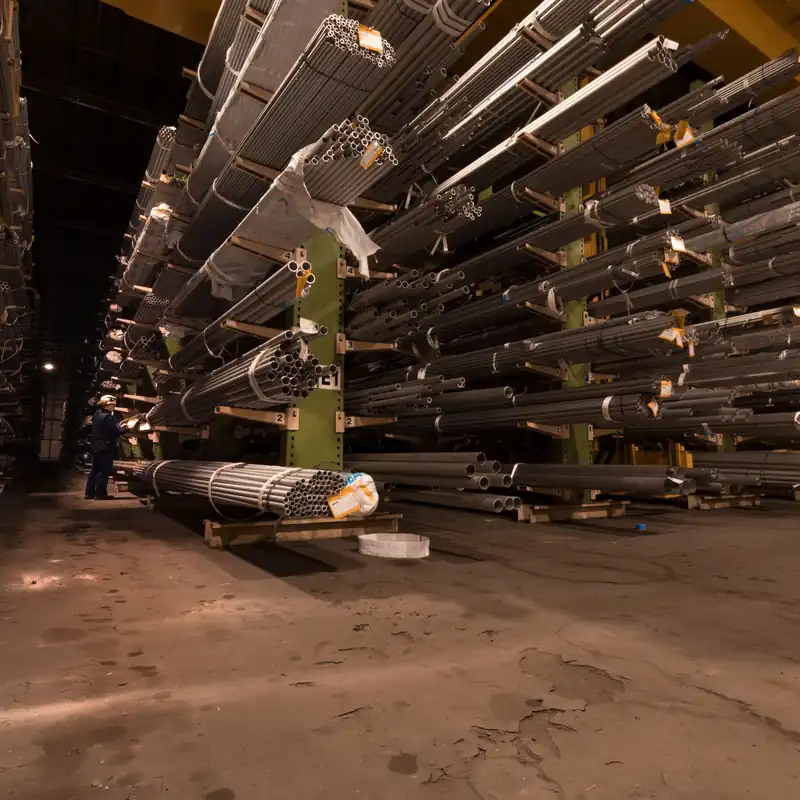
# Nickel Piping Systems – Engineering Guide for High-Performance Alloys
Nickel piping selection is a materials-integrity decision, not a commodity pipe purchase. Procurement risk concentrates in joints, heat-affected zones, crevices, and incomplete test records. Use this guide to specify nickel alloy pipes and nickel pipe fittings for corrosive and high-temperature service, compare supplier offers, and build an RFQ that prevents expensive substitution or non-compliant fabrication.
Buyer takeaway: Do not buy only on trade name or alloy family. Define the service chemistry, controlling material standard, fabrication controls, and required test evidence. An alloy may appear under multiple specification systems, and a quote that omits test acceptance criteria is not complete.
| Priority | Procurement action | Technical reason |
|---|---|---|
| 1 | Define CO2, chloride, H2S, temperature, and pressure | Corrosion-resistant alloy line pipes are used under hostile conditions including CO2, Cl–, and H2S |
| 2 | Require a classification cross-reference for each grade | One high-temperature or specialty alloy may be specified under several systems |
| 3 | Compare cost against performance alternatives | Nickel alloys compete with high-temperature steels, titanium, and high-strength aluminum in elevated-temperature evaluations |
| 4 | Fix the applicable line-pipe or design code | CRA line-pipe documents may reference API 5LCCRA, DNVGL-ST-F101, or ASTM A790 grades |
| 5 | Request weld procedure and NDT records | Pipe material, fittings, bending, flanging, and welding must be evaluated together, not as separate lowest-price line items |
Source-context note: The supplied knowledge base covers CRA line pipe, superaustenitic stainless alloys, titanium applications, and high-temperature alloy classification. It does not include grade-specific mechanical and corrosion data for pure nickel, Inconel, Monel, or Hastelloy. Treat this article as a sourcing and evaluation framework, then require mill-certified data before final grade selection.
1. Define the Service Environment First, Not the Alloy Name
Define the service environment before comparing nickel alloy pipes. Corrosion-resistant alloy line pipes are supplied for hostile conditions that include CO2, chlorides, and H2S; nickel piping systems require the same data discipline.
For flow lines and process piping, collect:
- CO2 partial pressure or concentration
- Chloride content
- H2S concentration
- pH and temperature range
- Oxygen or oxidizing species where present
- Pressure and flow regime
Where the stream contains seawater and hydrogen sulfide contamination, superaustenitic stainless steels have been used in oil and gas process pipework where pitting, crevice, and stress corrosion risk is high. That does not make superaustenitic a default substitute for nickel piping. It means candidates should be compared under the same service conditions.
Severe crevice corrosion environments have led to superaustenitic grades being used in flanges, bleach plants, and power station FGD systems. For nickel piping in seawater or brine service, request crevice-corrosion test data in addition to general corrosion rates.
The first RFQ failure mode is incomplete service data. Do not state only “corrosive environment.” Specify the species, concentration, temperature, pressure, and expected upset conditions.
2. Alloy Selection: Trade Names, Grades, and Cross-References
Trade names such as “pure nickel,” “Inconel,” “Monel,” and “Hastelloy” appear frequently in B2B RFQs, but they are not controlled material specifications.
High-temperature and specialty alloy grades may be specified under several classification systems. One alloy can appear under multiple specifications, depending on product form and issuing body. A supplier quoting “equivalent” material must therefore provide a written cross-reference showing the exact grade, UNS designation, controlling specification, and revision.
| Inquiry term | What to require from the supplier |
|---|---|
| Pure nickel | Controlled UNS/ASTM/ASME designation; supplier cross-reference |
| Inconel | Exact grade, not generic trade name; specification cross-reference |
| Monel | Exact grade and service-specific corrosion test data; specification cross-reference |
| Hastelloy | Exact grade, crevice/pitting test data where chlorides are present, and specification cross-reference |
The more common procurement error is not buying the wrong alloy. It is receiving two quotes that appear different but are actually the same grade under two classification systems—or two grades that appear equivalent because both carry the same generic trade name.
For elevated-temperature service, request a direct comparison of the selected alloy against high-temperature steels, titanium, and aluminum where strength, temperature capability, and installed cost interact. If the supplier cannot provide elevated-temperature test data or code allowable-stress evidence, mark that item as outstanding.
3. Line Pipe, Fittings, and Specification Data for Export RFQs
For line-pipe service, CRA pipe documentation may reference:
- API 5LCCRA Line Pipe
- DNVGL-ST-F101 Submarine Pipeline Systems
- ASTM A790 S31803 or S31260 seamless ferritic/austenitic stainless steel pipe
These references are not automatically nickel alloy specifications. They show the standards discipline a buyer should enforce. When purchasing nickel alloy pipes, specify whether the pipe must also meet a line-pipe code, submarine code, or process piping code.
For nickel pipe fittings, do not assume dual certification with the pipe. Request separate material certificates, heat-number traceability, and the same corrosion-resistant alloy family as the pipe. State whether the fittings are supplied to a matching material standard or only to a dimensional standard.
Export RFQ information should include:
- Alloy grade and trade name, with controlled cross-reference
- Outside diameter and wall thickness or pipe schedule
- Length and end preparation
- Seamless or welded manufacturing route
- Applicable material standard and revision
- Applicable design code; for process piping projects, name the code and edition, and confirm any deviations with the supplier
- Required tests and acceptance criteria
- Surface finish and marking requirements
- Packaging and export documentation
If the project uses a process piping code, include the code and edition explicitly in the RFQ. For example, an ASME B31.3 project should state that code in the purchase order and require the supplier to confirm the edition. Do not leave the line as “standard code.” CRA line-pipe documentation already uses this discipline through API 5LCCRA, DNVGL-ST-F101, and ASTM A790 references.
4. Fabrication, Welding, Bending, and Flanging Controls
Nickel alloy pipe is only one part of the system. A procurement manager should request evidence that the supplier can fabricate the pipe without reducing corrosion resistance or mechanical integrity.
Request the following fabrication records when applicable:
- Welding process to be used, such as GTAW/TIG or GMAW/MIG
- Filler metal specification and heat batch
- WPS/PQR for the exact alloy grade, thickness range, and welding position
- Post-weld heat treatment procedure if required
- Bending method and minimum bend radius for cold or hot bending
- Flange type, facing, and serration finish
The supplied knowledge base does not define nickel-grade welding parameters. Do not accept general statements such as “welding is as per standard.” Require a procedure qualification record for the specific alloy and product form before production begins.
For flanged connections in chloride-bearing seawater service, pay special attention to flange facing and serration finish. Superaustenitic grades have been used in flanges for seawater piping systems and severe crevice corrosion environments. The same concern applies to any nickel alloy system where gasket seating and crevice geometry can initiate localized attack.
5. Testing and Non-Destructive Examination Requirements
Supplier test packages for nickel piping should align with the governing design code and material standard, not with a generic “mill test certificate” alone.
CRA line-pipe documentation already shows the need for code-based documentation and standard references. The same expectation applies to nickel alloy pipes and fittings. Require written confirmation of:
- Hydrostatic test procedure and acceptance criteria
- Pneumatic test procedure, if specified
- Ultrasonic testing or radiographic testing method, where required
- Visual and dimensional inspection records
- Positive material identification method, if required
Do not accept “standard inspection” as a test package. State the test method, applicable acceptance criteria, and responsible party for each requirement. For corrosive service, the test package must trace to the same environment that drove material selection, including CO2, chlorides, and H2S exposure.
The governing design code and material standard, not trade name, control required testing. If the RFQ is silent on testing, two suppliers may quote against different assumptions and appear artificially competitive.
6. Machining, Surface Finishing, and Export Documentation
Specify machining and surface finish requirements in the RFQ, because crevice corrosion performance can depend on sealing surfaces and flange geometry in chloride-bearing systems.
Include the following in the purchase order when relevant:
- Surface roughness for flange facing and gasket seating
- Burr removal and edge break requirements
- Cleaning and passivation requirements after machining
- Marking requirements for heat number and material grade
- Export documentation: commercial invoice, packing list, mill certificates, and classification cross-reference
For aggressive chemical or marine environments, titanium piping has been used where high toughness, strength, and erosion/corrosion resistance are required. Where chloride, seawater, or oxidizing conditions may justify a different cost/performance trade-off, compare nickel piping against titanium or superaustenitic stainless grades.
7. Supplier Comparison and Buyer Takeaway Checklist
Use the following checklist when evaluating nickel pipe suppliers:
| Evaluation factor | Required evidence | Source |
|---|---|---|
| Service compatibility | Defined CO2, chloride, H2S, temperature, and pressure envelope | |
| Grade traceability | Written classification cross-reference for each alloy grade | |
| Cost/performance comparison | Elevated-temperature and corrosion-performance comparison against competing materials | |
| Standard compliance | API 5LCCRA, DNVGL-ST-F101, ASTM A790, or named project code references | |
| Crevice and seawater service | Flange-facing and crevice-corrosion test data where applicable | |
| Process environment | Evidence for pitting, crevice, and stress corrosion resistance in aggressive streams | |
| Alternative CRA options | Titanium or superaustenitic comparison where chloride or oxidizing conditions are present |
The lowest-risk quote returns the same service assumptions, grade cross-reference, standard edition, and test acceptance criteria. If a supplier will not provide those items, exclude the bid or mark the missing items as non-compliant.